> For the complete documentation index, see [llms.txt](https://docs-en.dydu.ai/llms.txt). Markdown versions of documentation pages are available by appending `.md` to page URLs; this page is available as [Markdown](https://docs-en.dydu.ai/contents/knowledge-map.md).
# Knowledge map
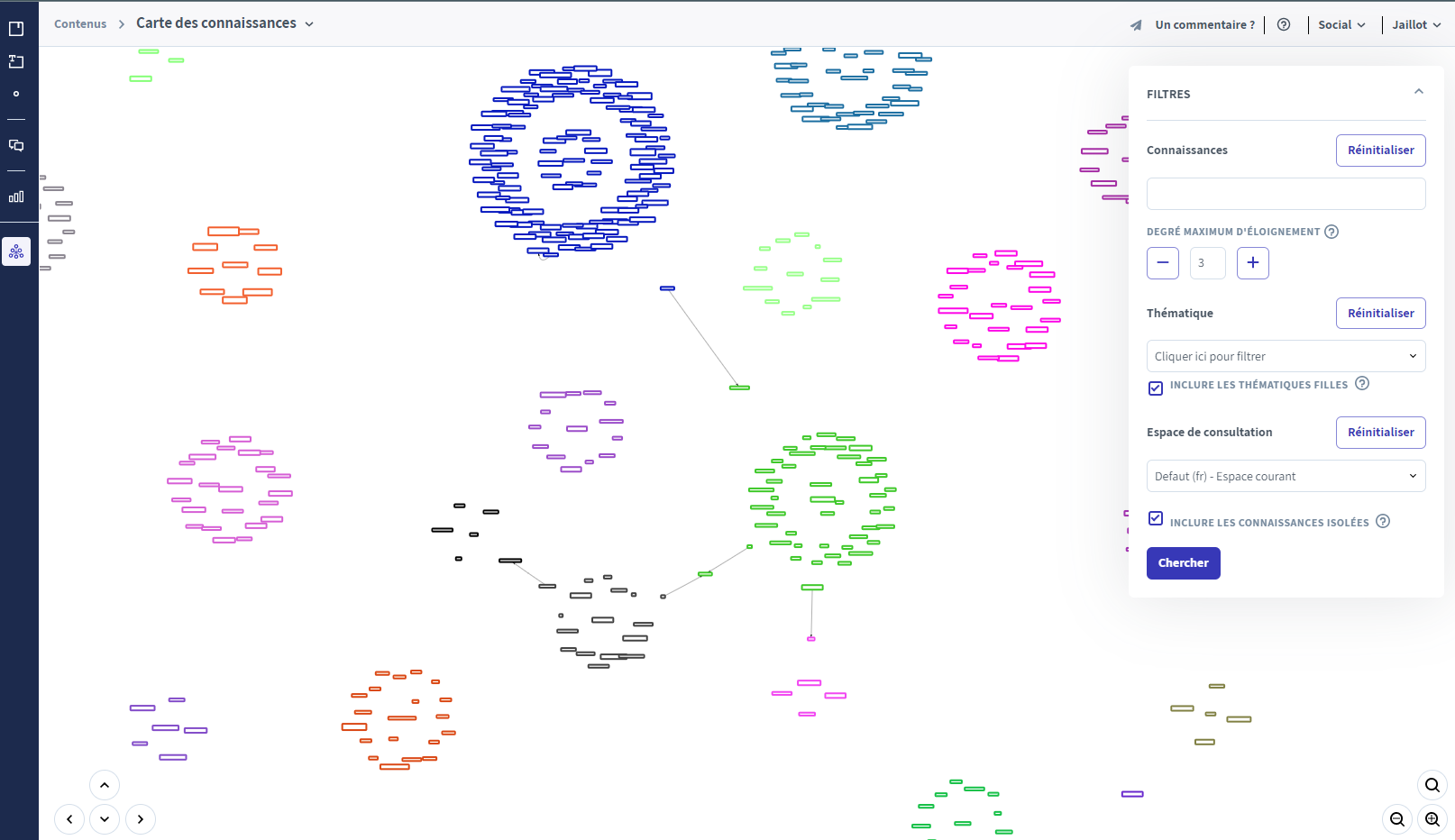
The knowledge map gives you an overview of your knowledge in cartography. This visual mapping tool will allow you, among other things, to visualize the links and dependencies between your knowledge items.
To access the knowledge map, go to **Content > Knowledge map**.
The arrows represent the 4 types of links modeled by the knowledge map:
* Redirections;
* Rewords;
* Bounce conditions;
* Template.
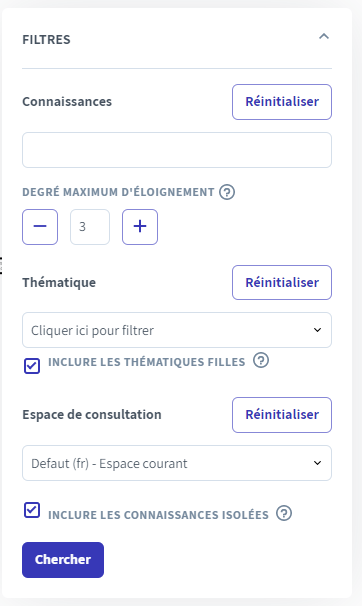
In order to customize the display of your knowledge map, you can use the filters tool at the top right of the page.
You can then enter the knowledge on which the map will focus with its level of remoteness.
You can also filter by tag and / or consultation space.
The option **Include isolated knowledge** allows you to include knowledge that have no redirection and are not targeted for any redirection.
The **Include sub tags** option allows you to include subtags.
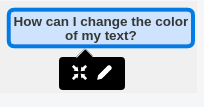
When you select a knowledge from your map, you can focus on knowledge or directly access it.